Protocol Frequently Asked Questions
In today’s rapidly evolving utility landscape, choosing the right communication protocol is critical for reliable, secure, and scalable SCADA operations. Whether you’re maintaining legacy systems or building out a future-ready grid, the protocol you select has a direct impact on your network’s performance, efficiency, and cybersecurity posture.
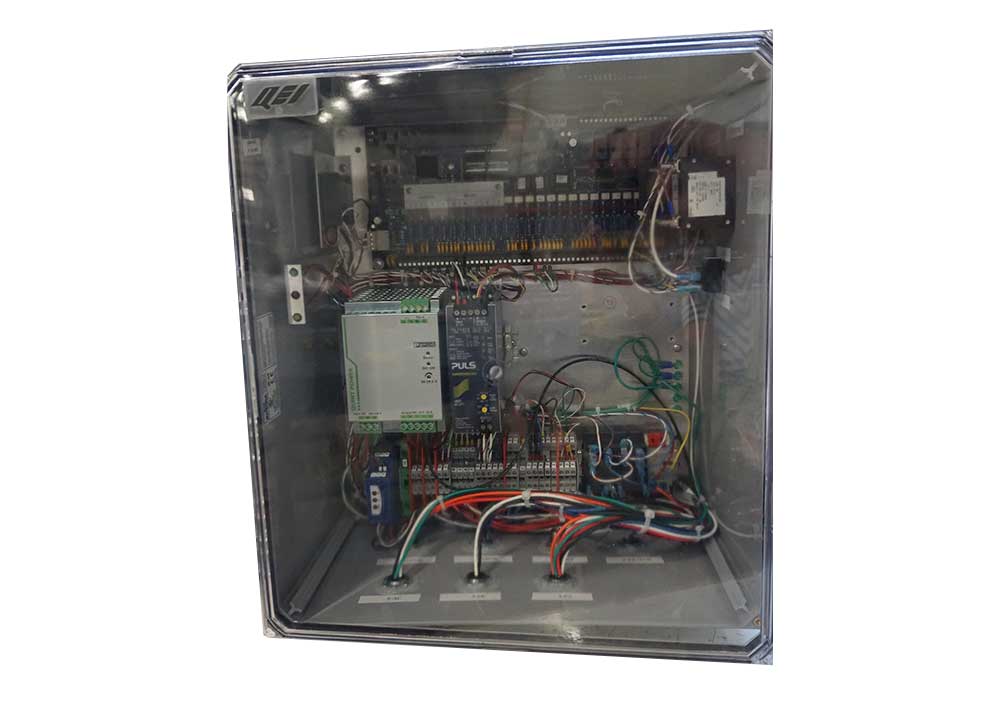
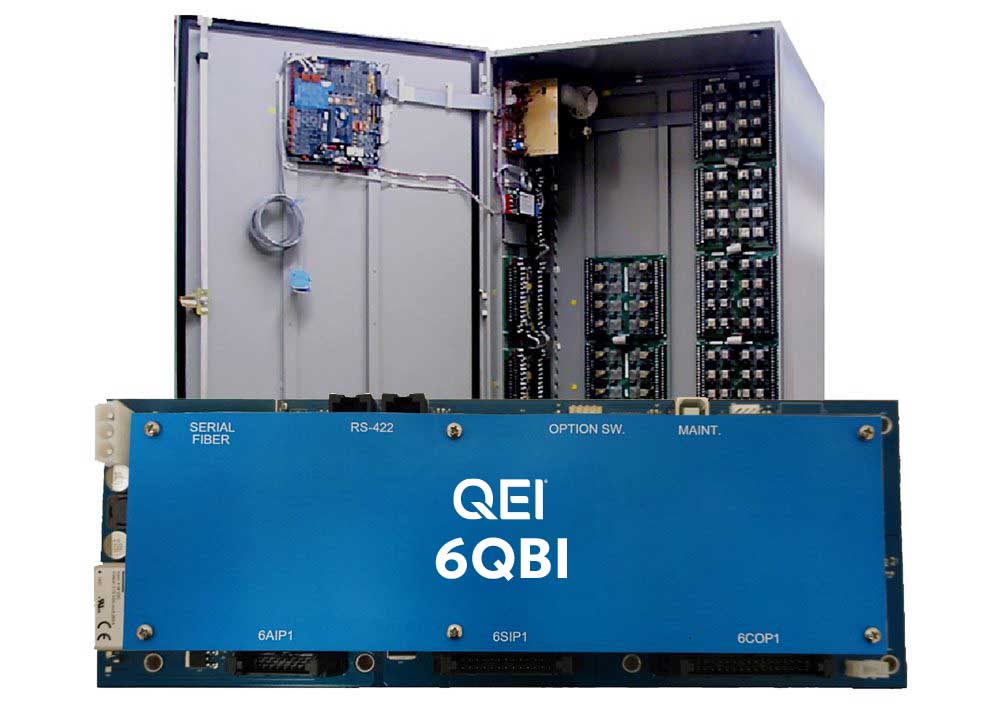
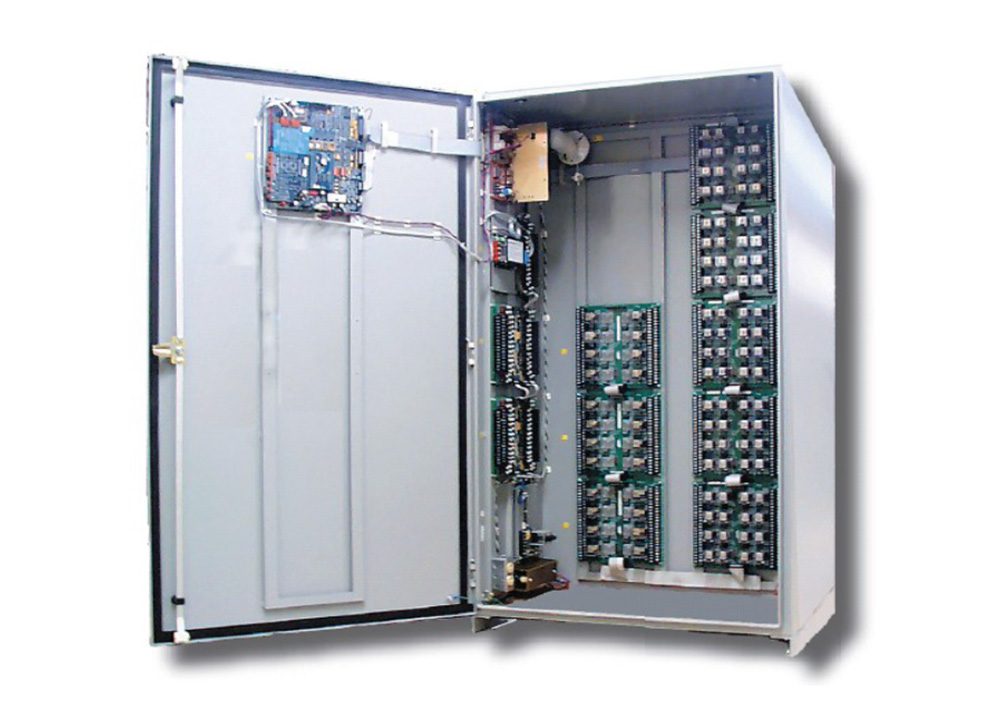
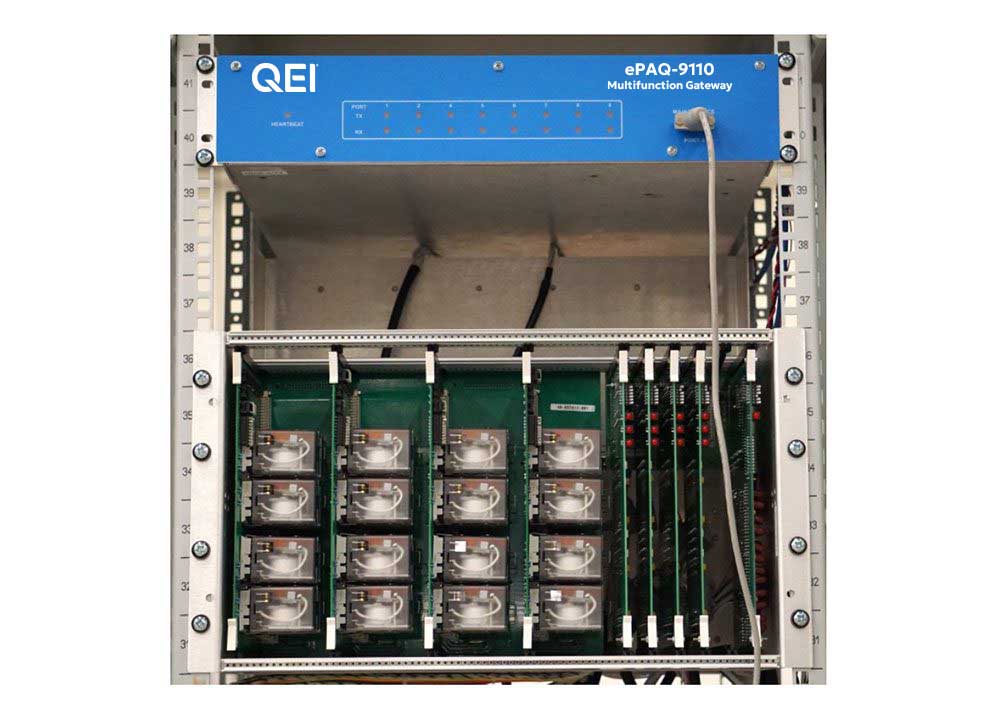
At QEI, we support all major protocols and specialize in designing solutions that work across mixed-protocol environments. From modern RTUs and SCADA masters to multi-protocol gateways and secure DNP3 deployments, our goal is to ensure your systems are not only compliant but built to perform.
Have questions about your current setup or future upgrades? You’ll find the answers here—and we’re always ready to help you take the next step.
Communication protocols available for utilities are:
- DNP3 SAv2 and SAv5 (Distributed Network Protocol)
- Modbus (RTU and TCP)
- IEC 61850
- IEC 60870-5-101/104
- Proprietary/legacy protocols
While QEI supports all major industry protocols, selecting the right one depends on each utility’s unique operational requirements, infrastructure, and communication goals.
DNP3 (with Secure Authentication v2 and v5), IEC 60870-5-101/104, IEC 61850, and Modbus are industrial communication protocols that vary in complexity, data handling, and security. DNP3 SAv2 uses challenge-response authentication, while SAv5 enhances security with asymmetric cryptography and replay protection. It supports unsolicited reporting and precise timestamping, making it efficient for SCADA telemetry. IEC 60870-5-101/104 also supports unsolicited data reporting and timestamped events, with 104 leveraging TCP/IP for faster communication. Security for IEC 60870 is provided through IEC 62351, a companion standard that defines measures like authentication, encryption, and role-based access control (RBAC). IEC 61850 is the most complex and feature-rich, using object-oriented data models and high-speed Ethernet communication. It supports event-driven reporting via GOOSE and MMS, precise timestamping, and secure messaging through IEC 62351, which also covers SNMP management and secure time synchronization. Modbus, in contrast, is simple and register-based, lacking native timestamping and security. It typically relies on polling for data updates and external measures for protection. Due to its complexity, IEC 61850 offers the most advanced capabilities and interoperability, while DNP3 and IEC 60870 strike a balance between efficiency and security, and Modbus remains suitable for basic, low-complexity applications. QEI’s experts are here to help you make the right choice and ensure a successful implementation.
DNP3 Secure Authentication versions 2 (SAv2) and 5 (SAv5) both aim to enhance the security of the base DNP3 protocol, which was originally designed without cybersecurity in mind. SAv2 introduces challenge-response authentication to verify control commands, providing some protection against unauthorized access. DNP3 SAv5 represents a significant upgrade, bringing the protocol into alignment with contemporary security expectations. It uses robust, modern cryptography including AES-GCM for encryption and HMAC-SHA-256 for authentication and integrity. SAv5 also introduces session keys, role-based access, and strong protection against common attack vectors. It is compliant with industry guidelines such as NIST SP 800-82 and IEC 62351, making it suitable for use in regulated critical infrastructure environments.
QEI helps utilities implement secure configurations. Contact QEI to discuss how we can integrate DNP3 in your utility.
DNP3 SAv2 and SAv5 timestamps and stores events at the source, ensuring reliable sequencing and reduced data loss. QEI’s ePAQ™ RTUs fully support Sequence of Events (SOE) reporting. Reach out to QEI today to explore our proven DNP3 SAv2 and SAv5 implementation strategies.
DNP3 Secure Authentication (SA) enhances cybersecurity by adding cryptographic protections commonly used in SCADA and industrial control systems. SAv2 introduces a challenge–response mechanism to authenticate critical control commands and prevent spoofing. SAv5, the latest version, significantly improves security by incorporating modern cryptography such as AES-GCM for encryption and HMAC-SHA-256 for message authentication and integrity. It protects not just control commands but also data responses, mitigating risks like replay, spoofing, and man-in-the-middle attacks. With support for session keys and role-based access control, SAv5 aligns with industry standards like NIST SP 800-82 and IEC 62351, making it suitable for critical infrastructure and regulatory compliance.
Contact QEI to discuss how we can integrate DNP3 in your utility.
Reliable data transmission is critical in utility SCADA systems, where every second counts. SCADA protocols like DNP3 and IEC 60870-5-101/104 are specifically designed to handle real-world challenges like network interruptions, signal noise, and latency—ensuring that control centers receive accurate, timely data from remote devices.
These protocols maintain data reliability through several key mechanisms:
- Acknowledgment of messages: Ensures the receiver confirms successful delivery of critical data before the sender proceeds.
- Automatic retries: If a message isn’t acknowledged, it is resent to prevent data loss.
- Buffering and time-stamping: Devices store time-stamped events locally, which are transmitted once communication is restored—preserving data integrity during outages.
- Cyclic redundancy checks (CRCs): Help detect and correct errors in data transmission.
- Sequence numbers: Maintain proper event order, even during periods of high data traffic.
At QEI, our ePAQ™ RTUs and QSCADA™ platforms are engineered with built-in data integrity checks, redundant communication paths, and advanced diagnostic tools. This ensures your system continues to operate reliably—even in poor network conditions or during high-traffic events. Seeking reliable data transmission solutions? Reach out to QEI today to explore our proven implementation strategies.
QEI’s goal is to help you preserve existing infrastructure and investments while enabling modern functionality. QEI’s ePAQ™ family of RTUs, SCADA Masters, and open architecture are built to support multi-protocol environments. Looking to upgrade from legacy SCADA protocols to secure modern standards? QEI is here to guide your transition with industry-proven expertise.
QEI offers:
- Protocol conversion tools for staged migration
- Pre-configured RTUs and gateways that support dual/multi-protocols
- Engineering support to develop phased upgrade plans
We help you move forward at your own pace—with full compatibility and zero downtime. Reach out to QEI for expert guidance on protocol implementation.
What Our Customers Have to Say
“Our relationship with QEI began in 1986 with the deployment of a PDP-11 based SCADA system and four RTUs. Over the decades, that system has been continuously upgraded and expanded to support the growing needs of our rail operations. QEI’s solutions have provided the real-time visibility, control, and reliability required for mission-critical traction power infrastructure. With hundreds of field RTUs installed and control houses to advanced master station software, QEI has remained a trusted technology partner in supporting safe and efficient operations across our network.”
The National Passenger Rail System across USA
“City of Concord has partnered with QEI since 1986, and throughout that time their solutions have continued to support our evolving operational needs. From early-generation RTUs to latest upgraded RTUs, capacitor controllers and multiple SCADA master station enhancements, QEI has been a dependable technology provider for our system. Our most recent investment in February 2025 to upgrade to QSCADA reflects the confidence we have built through decades of successful collaboration.”
SCADA Coordinator at City of Concord, North Carolina
“QEI’s mCAP and eCAP capacitor bank controller solutions are well-suited for Vietnam’s power distribution networks. The products not only meet technical requirements but also deliver clear economic benefits by optimizing system operation and reducing power losses. In addition, QEI’s professional support services represent a significant added value, contributing to the overall success of project implementations.”
My Phuong Trading Company Ltd. (MPCO)
“QEI is always making improvements to their product, and it is almost always a result of customer feedback. QEI listens, acts, and highlights the improvements every year at the user conferences. Great job QEI!”
North American Utility
“QEl did a fabulous job installing and configuring four SCADA servers for our Quad-Redundant QEI SCADA system.”
Florida Water Utility
“For over the last 10 years, we have had a QEI SCADA system that monitors our two substations and line reclosers. We have been very happy with the quality of their product and more importantly, the service that they provide to maintain the system. Everyone at QEl really seems to know their product inside and out. QEI is a company that not only makes a great product but backs it up with outstanding service.”
Village of Lake Placid
“Our relationship with QEI spans more than 50 years of continuous SCADA modernization. From early traction power control systems to today’s redundant enterprise platform QSCADA, QEI has consistently delivered solutions that support safe, efficient, and reliable rail operations. Their systems now provide centralized control of electric traction, signal power, and facilities power across an extensive commuter and city rail network with hundreds of RTUs in service.”
Northeast Corridor transit systems, USA
“We have utilized QEl for our SCADA needs for over 20 years. They provide an excellent system, both software and hardware. QEl’s staff has alwavs been there for our needs and is always helpful and friendly We highly recommend QEl’s system and their maintenance contracts to keep your system current.”
Emerald Coast Utilities Authority (ECUA)
“The new website is very user-friendly. I really like the Customer Portal, which provides quick access to manuals, presentations, and software updates. Q Tips and more.”
City of Wilson, NC
“We have always been able to rely on QEl for their technical knowledge and support. Thank you QEI.”
Mid-Atlantic Municipal Utility
“It was a pleasure working with the QEI Engineer during the Onsight installations, He was very professional and worked through the few hiccups that we encountered to get the system up and running.”
Controls & Communications Engineer at Easley Combined Utilities
It’s Easy to Get Started
STEP 1:
Schedule a Consultation Call
Let’s talk through your goals and what your current infrastructure looks like.
STEP 2:
We’ll Collaborate to Develop a Solution
We’ll develop a plan to modernize your infrastructure to meet your goals.
STEP 3:
Experience the Advantages of QEI
We’ll coordinate and execute the plans for your upgraded system.

 English
  Spanish